
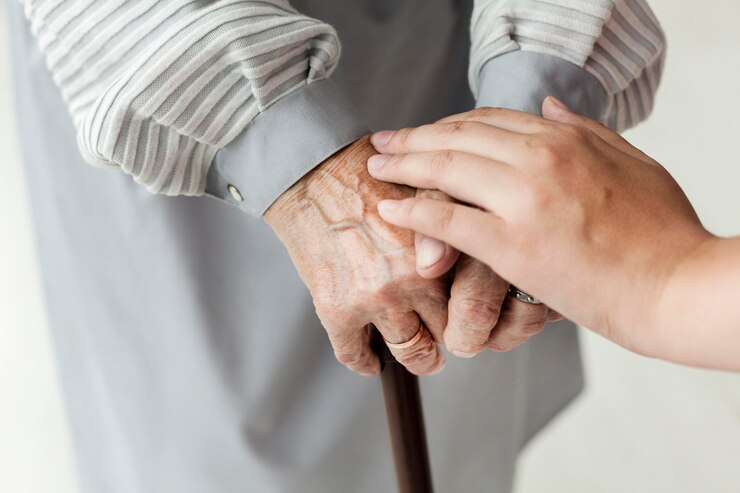
Although ageing is a completely normal part of life, it doesn’t make it any easier to accept the fact that our loved ones are going to get old and eventually pass away. As ageing is a natural part of the life cycle, it’s essential that we confront this new and last stage of life with a positive attitude, and that we manage our individual circumstances to the best of our abilities. There’s no such thing as ‘normal ageing’ – everyone ages differently and at their own pace. However, if you’ve reached the stage where you’ve noticed your parents are slowing down and can no longer do as much for themselves, or for others as they could before, then it may be time to accept the situation for what it is and begin adjusting to your new reality.
What are the physical changes associated with the ageing process?
Physical health and mental health go hand in hand. Here’s a summary of the common physical changes you can expect to notice in your ageing parent: –
- Brain – The brain starts slowing down causing forgetfulness and memory loss.
- Weight – As the body slows down, metabolism decreases. Some people gain weight, while others lose weight, all depending on diet and physical exercise.
- Skin – The skin loses elasticity and moisture levels, and age spots, wrinkles and bruises begin to appear.
- Ears – Hearing becomes difficult, especially at certain frequencies.
- Eyes – The eyes decrease in vision and become sensitive to light and brightness.
- Teeth – Teeth become more susceptible to decay and infection.
- Bladder – The bladder starts to lose its elasticity meaning more frequent trips to the bathroom.
- Muscles and bones – Muscles start to lose their strength and elasticity, while bones slowly decrease in density and size, leading to possible bone fractures and a decrease in height.
- Cardiovascular system – As the arteries and blood vessels become harder, the heart has to work much harder too.
- Digestive system – A change in bowel habits can also be expected.
While the above list may appear all doom and gloom, ageing is a relatively slow and painless process in most cases. What’s important is that you know what to expect, and that you and your loved ones are prepared.
Most ageing adults prefer to stay in the comfort of their own home rather than be moved into an elderly care facility. In this case, it’s important that you carefully evaluate their living situation, make note of, and see to any necessary home modifications, and also make a note of any medical issues or risk factors, such as cardiovascular disease, osteoporosis, heart disease, and/or high blood pressure. At some point, your elderly parents will go from interdependence, where they maintain some degree of independence, to complete dependence on you.
What do ageing parents want from their children?
The number one thing that ageing parents want from their children is to simply hear from them on a regular basis and to remain a part of their children’s lives. Set a reminder on your phone to check in with your parents regularly to find out how they’re doing and if they need anything. Ageing parents want to be treated with dignity and respect and would prefer that you first wait for them to ask for your advice before giving it. As they get older, they could rely on you to drive them around for shopping trips, doctors’ appointments and visits to friends and family. This is your opportunity to make the best of whatever time you may have left with your parents, no matter how difficult this may sometimes be. Remember to be patient with them as they grow older, as they were once patient with you. Let them know that you are there to support them.
What to do if your ageing parents don’t want your help?
“I’m fine and can take care of myself.” You’re not alone if you’ve heard this line before. Sometimes, trying to suggest a more logical approach to something may be met with a similar line, or worse. An alternative, and possibly more suitable approach would be to carefully and tactfully suggest the sort of help you may have in mind. Acknowledge that you respect and understand their need for independence and that you are only there to assist them and to do what is best for them. Try to understand that your parents may be just as worried and anxious about their ageing as you are.
How to prepare yourself to be there for your ageing parents?
Dealing with ageing parents can be stressful and challenging at the best of times, so it’s equally important that you remember to take care of your own needs too. Take time out for yourself and reach out for support whenever you need it.
How can Dewcare assist?
If your ageing loved one needs in-home assistance with bathing, grooming, cooking, transportation, grocery shopping or household tasks, please reach out to us. We’re the leading provider of home-based care in Hermanus. All our Carers are professionally trained and suitably qualified to provide the care and support that your ageing parent, or grandparent, may need. To schedule a free in-home consultation with one of our dedicated care consultants, please call us on 028 316 1547, or visit our website for further information: https://dewcare.co.za/
Information sources and further reading:
https://psychcentral.com/blog/8-ways-to-help-your-aging-parents#4
https://www.homecareassistancejeffersonco.com/normal-aging-signs/
https://www.theatlantic.com/health/archive/2016/03/when-youre-the-aging-parent/472290/
https://jcnh.org/understanding-your-aging-parents-top-10-fears-of-aging/
Keywords:
Aging; ageing; home-based care; elderly care; Alzheimer’s; dementia; aging parents; ageing parents; carers; in-home care; Hermanus; care facility; signs of ageing; old age; Dewcare; health and wellbeing.